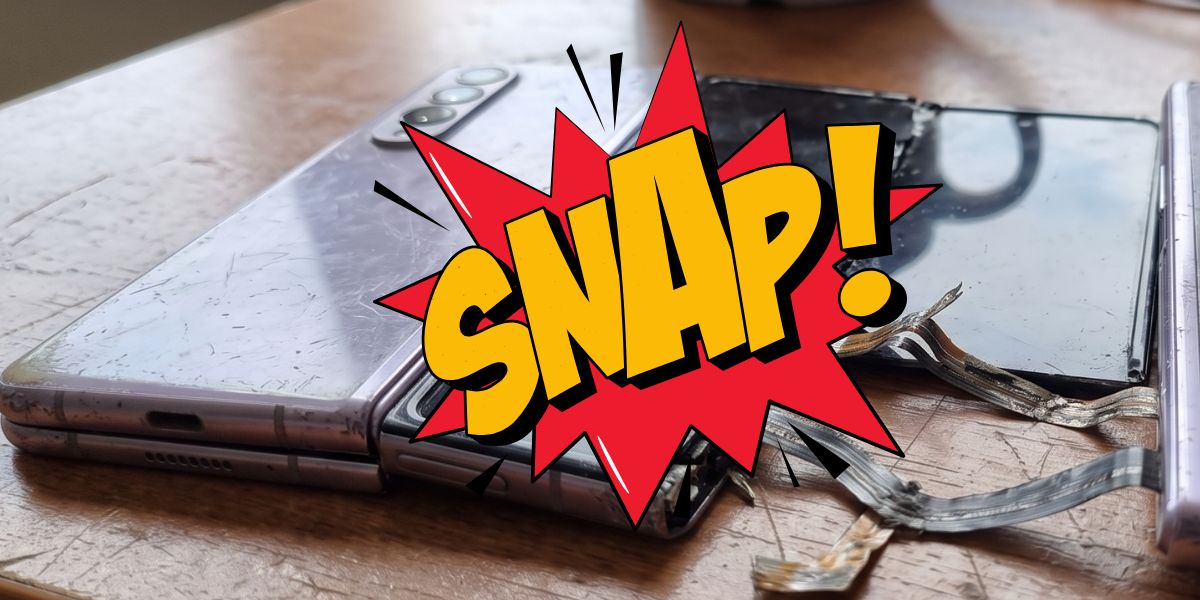
The truth about folding phones is that they are a massive compromise. You unfold your dazzling, pocket-sized marvel to show off a massive screen, only to be met with that undeniable, glaring crease straight down the middle. It is a bit like having a permanent smudge on your favourite pair of glasses. But what if that compromise is finally becoming history? Samsung could have solved the biggest gripe in the foldable world with its new Flex Titanium technology, promising a display that is not just far tougher, but practically crease-free.
Foldable phones have felt like a slice of the future since they first hit the scene, but getting the screens right has been a massive headache for designers and engineers. We want displays that are huge and flawless but can fold in half thousands of times without snapping like a dry twig. Samsung, having pioneered this space since introducing flexible forms and AMOLED tech, has clearly been listening to the critics. After seven generations of foldable devices, they went back to the drawing board to rethink how a flexible screen is fundamentally built. The result? Flex Titanium. This isn’t just an arbitrary update to make a spec sheet look good; it exists because everyday users demanded a larger, immersive screen that does not constantly remind them it is folded every time the light hits it.
So, how does this actually work without making the phone as thick as a brick? It all comes down to two surprisingly delicate components: a titanium-alloy film and a titanium support plate.
Now, titanium is famous for being incredibly tough, it is the same material trusted in satellite antennas and the wheels of Mars rovers. But it is also notoriously stiff. Samsung managed to precision-roll a titanium-alloy film so thin that it is about a third of the thickness of an average human hair. Sitting just beneath the OLED panel, this film is 20 times stiffer than the old polymer plastics they used to rely on.
Underneath that film is the titanium plate, which features advanced micro-patterned holes along the folding section. This clever hole processing eliminates the tiny air gaps that used to exist between the display and its support. It means the screen is fully supported and flat when unfolded, yet remains flexible enough to close tight. Add in new organic materials that boost overall power efficiency, and we are looking at a display that is vivid, battery-friendly, and incredibly slim.
How does this actually change your everyday life? Imagine reading a long document, editing a photo, or watching a movie without constantly adjusting the tilt of your phone to avoid the crease shadow. It brings the foldable experience much closer to a traditional premium tablet, meaning fewer distractions and a sleeker aesthetic when you pull it out in a meeting or on a flight.
When you look at the current smartphone market, the competition has been seriously heating up. Brands like Honor, OPPO, and Vivo have been steadily reducing the crease on their premium foldables, hotly contesting Samsung’s dominance. Up until now, using a foldable always meant accepting that slight visual imperfection in exchange for the cool factor. While competitors have made strides with water-drop hinges to hide the fold, Samsung’s approach of completely overhauling the display’s structural foundation with titanium feels like a massive leap forward. I have spent plenty of time with older foldables, and while I loved the expansive screens, the slightly plastic feel and the noticeable ditch in the middle always kept me from fully committing. If Flex Titanium delivers on its promises, it could bridge the gap between early-adopter tech and a mainstream, everyday powerhouse.
Is this technology something to look forward to? Absolutely. this new tech to debut in the highly anticipated Galaxy Z Fold 8 series, unveiled at Galaxy Unpacked on July 22. If you have been sitting on the fence, waiting for foldables to stop feeling like an ongoing experiment and start acting like perfected, premium devices, this might just be the moment to jump in. The foldable crease may finally be a thing of the past.